Issue No. 1

Table of Contents
-
The Mysteries of Pittsburgh's Relationship to the Film Industry, Dr. William Covey, pg. 1
-
Taking Meaning from Film, Jesse Thompson, pg. 5
-
Development of the Superhero Genre: The History behind the Heroes, Sarah Conley, pg. 11
-
Maintaining Auteurship: An Analysis of All About My Mother, Coraline, and Hannah Takes the Stairs, Michael Millen, pg. 23
-
Boyhood: The Coming of Age of a Genre, Connor Frampton, pg. 31
-
Hitchcock: The Auteur, Noelle Yester, pg. 35
-
Interview with Dr. Marshall Deutelbaum, Dr. William Covey, pg. 43
-
Order vs. Disorder in Hitchcock's Movies, Lacy Good, pg. 55
-
Existential Despair in the Works of Ingmar Bergman, Jesse Thompson, pg. 60
-
Slavoj Zizek's Violence in Capitalist America Through the Lens of Zack Snyder's Watchmen, David Potsubay, pg. 71
-
Widescreen Worldwide, Abigail Hennon, pg. 81
-
Her: Johansson's Voice Charms Audiences in Technological Romance Film, Jimmy Graner, pg. 87
-
Beaten to a Pulp, Aristotle Piso, pg. 91
Issue No. 2
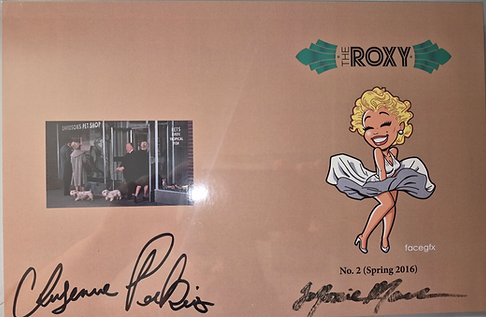
Table of Contents
-
Return of The Roxy: The Roxy Strikes Back, Dr. William Covey, pg. 1
-
Pushing Boundaries in Cinema & Theater, Conner Smith, pg. 4
-
Qualifications of an Auteur, Matt Miller, pg. 11
-
Adding Meaning to America, Kaisha Jantsch, pg. 19
-
Unconventional Approaches to Asian Film and Media, Megan Egli, pg. 24
-
The Women Behind the Blonde and the Body, Harmony Kasper, pg. 31
-
Sympathy for the Devil: Hitchcock's Helix, Aristotle Piso, pg. 45
-
Auteurs and Film Techniques, Mary Miskinis, pg. 56
-
Excerpts from The Way We Were, Ken Harris, pg. 64
-
The Cultural Differences, Similarities, and Film Devices Used in Ringu and The Ring, Haley Maskrey, pg. 67
-
Class Warfare and CATFISH, Amanda Salvia, pg. 74
-
The Collection: A Sequel to Rival the First in Technological Romance Film, Cheyenne Perkins, pg. 78
-
Artificial Intelligence (AI): From Lab to Lust, Kelsey Phillips, pg. 80
Issue No. 3

Table of Contents
-
The Roxy: Three Coins in the Fountain, Dr. William Covey, pg. 1
-
Thinking about Comedic Traditions, Katey McKenna, pg. 4
-
An Interview with William J. "Joe" Palmer, pg. 12
-
Film Audiences and the History of the World, Matt Hart, pg. 32
-
Don't Cha Know: Films are Sexy, Cheyenne Perkins, pg. 41
-
Control in Media, J. Mabold, pg. 52
-
Social Networking: Catfish and the Misconstruction of Reality, Alec Cunic, pg. 60
-
Style Trumps Substance in The Neon Demon, Kait Vukonich, pg. pg. 68
-
Gangster Films Made Me Do It: Is the "hood" film genre limiting to black youth, LaMorie Marsh, pg. 72
-
Contemporary Films from the 90s Until Today: An Innovative Approach to Filmmaking, Jenna Massaro, pg. 78
-
Getting Lost in the Wilderness of the National Park Service's Website, Rebekah Luplow, pg. 89
-
The Body in the Frame: Filming Techniques in Early Movies, Sarah Torchia, pg. 95
Issue No. 4
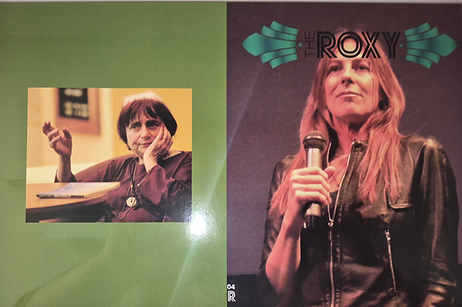
Table of Contents
-
The Roxy: Fantastic Four, Dr. William Covey, pg. 7
-
Film Techniques Through the Ages, Stephanie Ace, pg. 10
-
Neo-Noir: A Close Reading of the Dark Side, Aisha Aldubayan, pg. 16
-
Plugged In, Taylor Carson, pg. 23
-
Frameshift: Sharing the Shot in Langton's Adaptation of Pride and Prejudice, Victoria Davis, pg. 29
-
The Importance of Digital Literacy in Education, Andrea Furka, pg. 35
-
They're Here, and They're Queer: LGBTQ+ Representation in Film, Cheyenne Perkins, pg. 41
-
Once More, with Nuance: Eschewing Perfection in the Modern Musical, Amanda Salvia, pg. 58
-
The Aesthetics of Chinese Film, Katie Socash, pg. 65
-
Pass-Along Songs and Duets: Why They Matter, Courtney Speaks, pg. 78
-
Postmodern Musicals: Bigger, Better, Braver, Courtney Speaks, pg. 86
-
#CyberMisogyny: The Final Boss for Female Gamers, Kait Vukovich, pg. 94
Issue No. 5

Table of Contents
-
The Roxy: The Five Obstructions, Dr. William Covey, pg. 6
-
Snooping Through Snopes, Taylor Akers, pg. 10
-
Contemporary Film, Zakary Buerkle, pg. 14
-
Film Techniques and Elements, Katherine Clark, pg. 29
-
Neo-Noir, Nick Coffman, pg. 35
-
Bye Bye Bird Box, Samantha Figard, pg. 42
-
An Interview with Marta Renzi, Jennifer Keller, pg. 46
-
Review of Controversies in Digital Ethics, Marshall Martin, pg. 55
-
Digital Literacy and A Networked Society, Tova Schilling, pg. 61
Issue No. 6
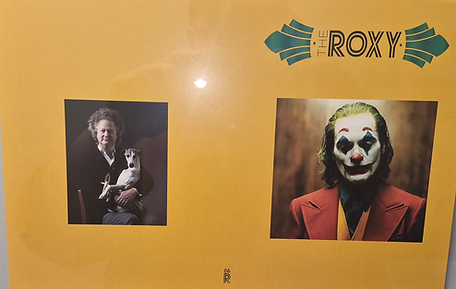
Table of Contents
-
The Roxy: Six Degrees of Separation, Dr. William Covey, pg. 6
-
Redefining the Chick Flick, Samantha Figard, pg. 8
-
A Divisive Success, Shirah Kinder, pg. 11
-
An Interview with Pankaj Rishi Kumar, Peter Korman, pg. 16
-
Growing through Danger, Luna Ling, pg. 30
-
The Art of American History, Katie Maskrey, pg. 39
-
Computers, Controls, and Communication, Rachel Morris, pg. 45
-
Real-Life Monsters, Jenna Moses, pg. 55
-
Joker: Who is the Real Villain, Cierra Naglowsky, pg. 58
-
The Meaning of Early Film Techniques, Ryan Yeager, pg. 61
Issue No. 7
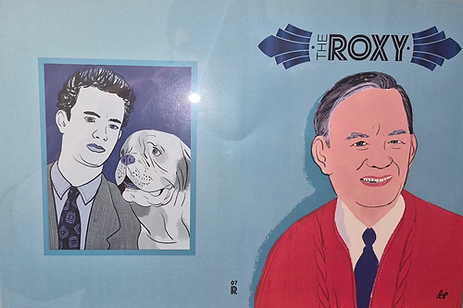
Table of Contents
-
The Roxy: Living Long and Prospering, Dr. Timothy Ruppert, pg. 7
-
The Arduous Task of Experimenting, Raymond Holloway, pg. 8
-
An In-Depth Look at Rear Window, Battleship Potemkin, and Citizen Kane, Isabella Jones, pg. 15
-
Metamorphosis: Change Through Adversity, Isabella Jones, pg. 21
-
The Persistence of Storytelling in a Digital Age, Anna G. Potter, pg. 39
-
Navigating in a Networked World, Christina Puffinburger, pg. 46
-
Art of Cinema: Not for the Weak of Spirit, Rachael Robinson, pg. 53
-
Defining Neo-Noir, Raisa Rogers, pg. 60
-
Classic Hollywood Cinema: A New Perspective on Bringing Up Baby and Citizen Kane, Michael Bagley, pg. 65
Issue No. 8

Table of Contents
-
The Roxy: Reelin in the Year, Dr. Mark O'Connor, pg. 7
-
The Value of Black and White Cinematography, Carmer Scarpine, pg. 8
-
A Sign of Their Times: Satirical Political Films are the Modern-Day Political Cartoon, Dereck Majors, pg. 13
-
Girls in 1970's Horror: Sexual Agency and its Punishment, Emily Ambery, pg. 21
-
Heathers Transformed the Teen Film Genre as Much As-and Because of The Breakfast Club, Lauren Ness, pg. 30
-
An Interview with Pittsburgh Filmmaker Chris Frey, Jack Dollinger and Harold Domville, pg. 44
-
Contributors, pg. 71
Issue No. 9
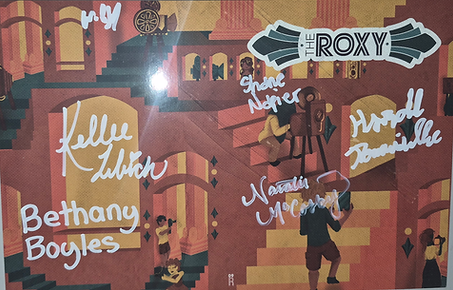
Table of Contents
-
Nine Lives: The Roxy Survives, Dr. William Covey, pg. 6
-
Harold's Review of: Blackwood Arts: How an Organ is a Time Machine, Harold Domville, pg. 8
-
Meaning and Emotion Via Visual and Technical Elements in Classic Films, Grace Hall, pg. 13
-
Fighting the Power, Sasha Jantsch, pg. 22
-
Is Life an Auteur Film, Jenna Lubinski, pg. 32
-
Tribeca: A Place Where Film Fanatics Congregate, Jenna Lubinski, pg. 38
-
The Nature of Parents, Hannah Hohman, pg. 41
-
New Ideas in European Film: Romance, Realism, and Satire, Carson Denney, pg. 44
-
Introducing CinemaScope: When Movies Became Bigger Than Life, Natalie McCosby, pg. 54
-
Sticking (and Not Sticking) to You Plan: David Fincher's The Killer, Shane Napier, pg. 61
-
Barbie Unboxed, Bethany Boyles and Kellee Lubich, pg. 64
-
Contributors, pg. 69
Issue No. 10

Table of Contents
-
Innocence: A Poem by William Boggs, pg. 6
-
Ten Little Issues: An Introduction by Dr. William Covey, pg. 7
-
The Worst Era of Cinema by Jack Dollinger, pg. 11
-
An Interview with Andres Stephens Conducted/Transcribed by Connor Whyel, pg. 22
-
The Fluidity of Ethos in The Interview by Angelina Giacomazza, pg. 28
-
Exploring Vulnerability: Mise-en-Scene and Cinematic Quests in Three Films by Elizabeth Pierce, pg. 33
-
Boyz N The Hood: Film Review by Yvette Ngwenya, pg. 43
-
Singles: Film Review by Charlie V. Stoops, pg. 48
-
Reel vs. Real by Heath Chase, pg. 52
-
A Defence of Un-Subtle Filmmaking: Coralie Fargeat's The Substance by Shane Napier, pg. 57
-
Nosferatu: Film Review by Natalie McCosby and Alexandra Elliot, pg. 60